
The Power of Heat Pumps: Bringing Peace & Freedom to Ukraine
by Neha Chinwalla
Heat pumps have long been a solution to lowering the emissions of buildings. Now, they are also a tool to stand against Russia’s invasion of Ukraine.
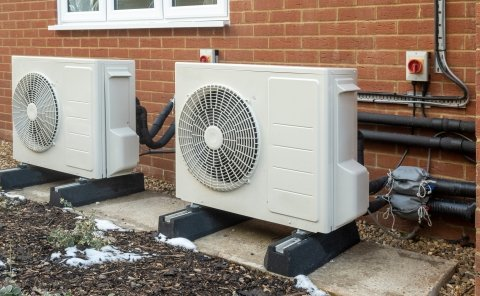
Photo of an air source heat pump. Source: U.S Department of Energy
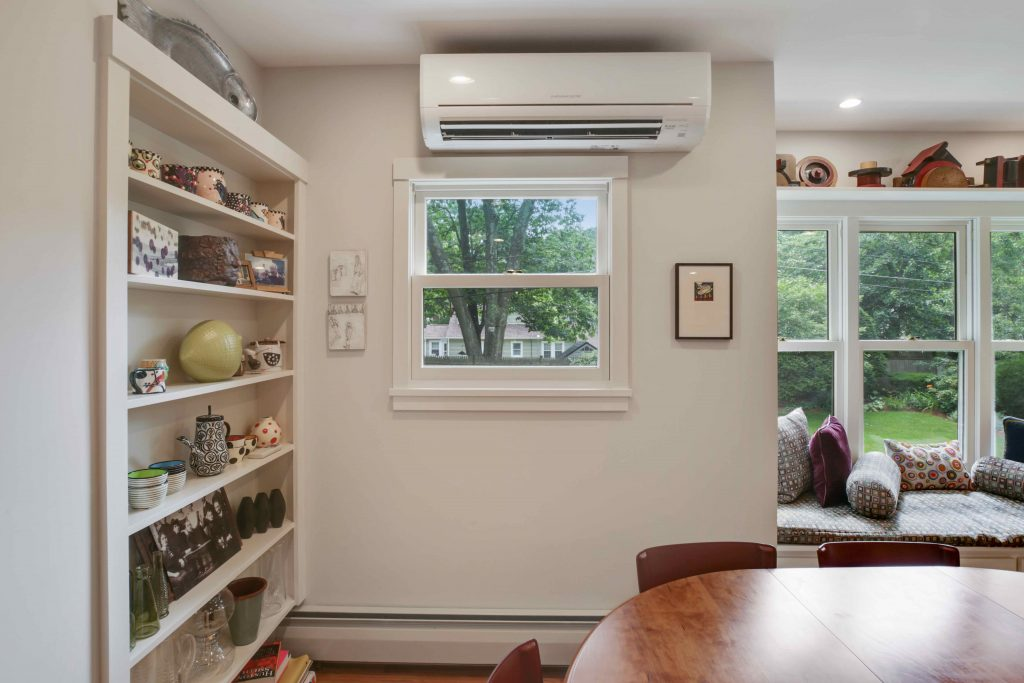
Photo of an indoor heat pump unit. Source: Sealed
Heat pumps heat and cool buildings with significantly less emissions than gas or oil furnaces. They function efficiently through a transfer of heat, using “electricity to take the ambient heat from the outside air to warm a home,” instead of generating heat like furnaces. In the winter, heat is moved from outside to warm the home. During the summer, the process is reversed; heat pumps move heat from indoors to outdoors, to cool the home.
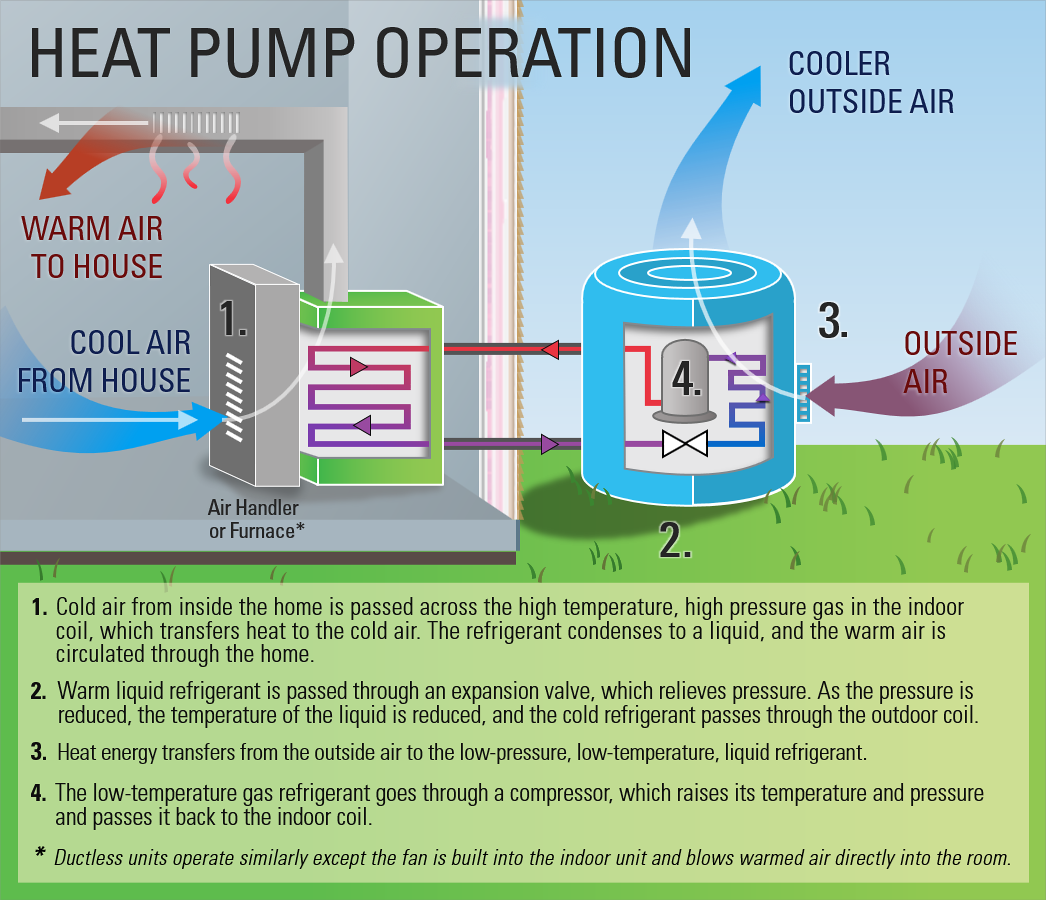
How Heat Pumps Operate in the Winter from ENERGY STAR
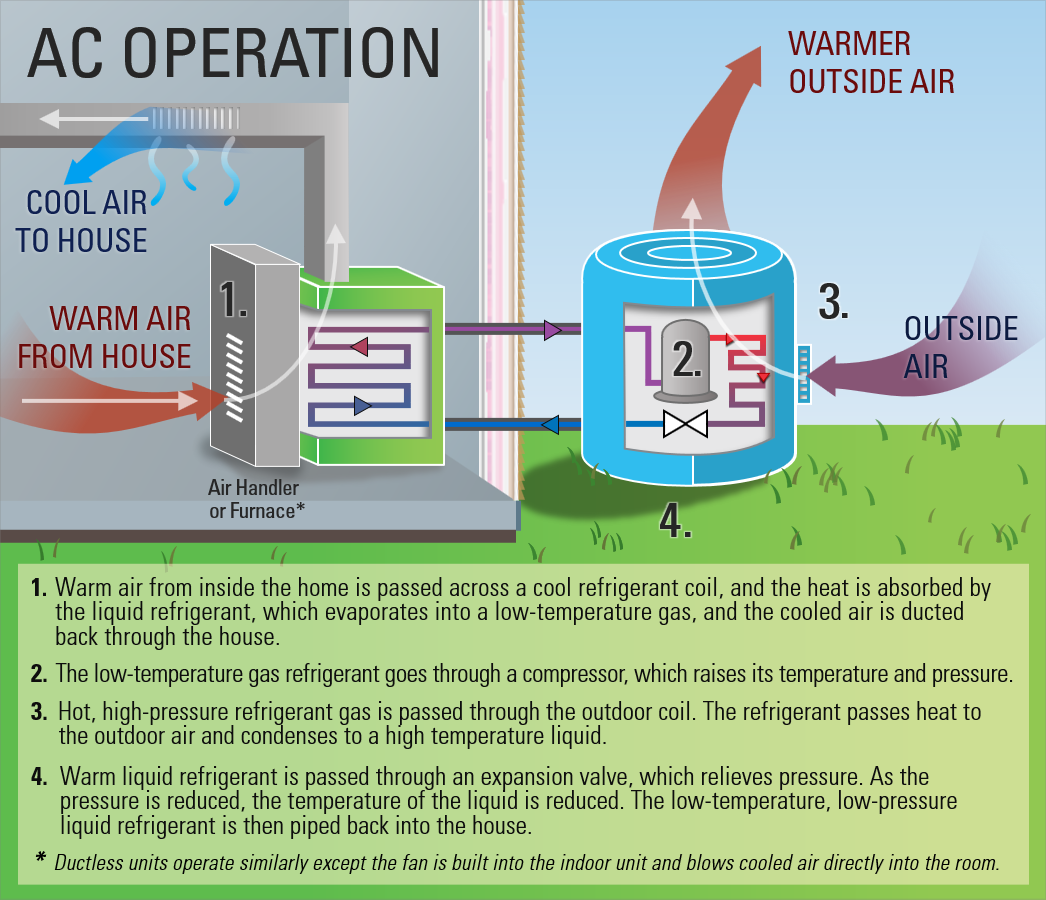
How Heat Pumps Operate in the Summer from ENERGY STAR
According to a current and future electricity grid analysis from the Sierra Club, heat pumps are reducing emissions across the country, even in states with more coal and gas plants powering the grid. Even better, as we continue to green the electric grid with more renewable sources of energy replacing fossil fuels, this cleaner electricity will decrease emissions even further.
Beyond the environmental benefits, heat pumps are better for the health, safety, and resilience of homes, all while decreasing utility bills for some areas compared to heating with propane, oil, or electric resistance. Today, we can add another benefit to the list: taking away Putin’s power.
Bill McKibben, co-founder of 350.org and Third Act, first proposed the idea of Heat Pumps for Peace and Freedom, a few days after Russia invaded Ukraine. He describes “a world dependent on fossil fuels” as a “gift” to Vladimir Putin. Putin’s “longtime weapon” is the “threat to turn off the gas supply to Western Europe” (McKibben).
McKibben’s idea calls for the Defense Production Act to be used by President Biden to rapidly increase the manufacturing of electric heat pumps in the United States. The Act dates back to the Korean War, but has been used more recently by Presidents Trump and Biden for vaccine production, as well as to manufacture more fire hoses during last summer’s record wildfires.
Through the increase in production of electric heat pumps, countries currently dependent on fossil fuels can start to wean off. The war on Ukraine is majorly funded by Russia’s oil and gas revenue, which contributes to nearly half of Russia’s federal budget. The European Union is - in essence - helping fund the war because it imports roughly 40% of its gas from Russia. Therefore, “despite the powerful sanctions the EU has placed on Russia since the invasion, those very same EU countries are basically bankrolling the war they are trying to stop,” as said by Adam Wernick, a freelance writer for The World.
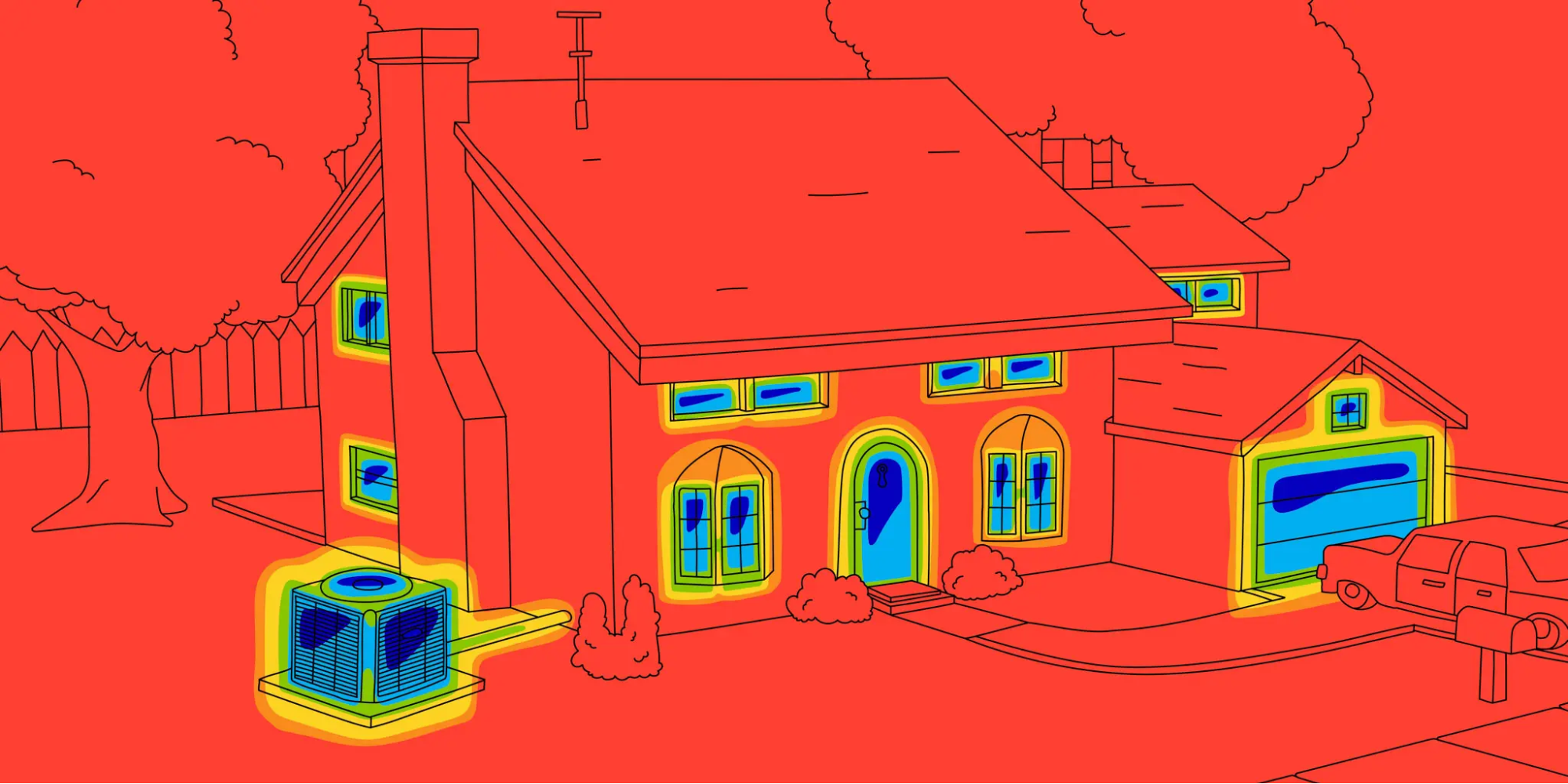
Illustration by Dana Davis for the New York Times of a home with a heat pump.
In response, the EU announced a plan to cut imports of Russian gas by 2027, starting with a two-thirds reduction this year. This aligns with the EU’s plans to transition fully to renewable energy by 2035. Now, the Heat Pumps for Peace and Freedom movement is asking the United States to invoke the Defense Production Act to rapidly expedite the production of electric heat pumps in order to aid the US and the European Union in their efforts to stop their reliance on imported gas and decarbonize the energy sector.
As tragedy continues to strike Ukraine, one of the tactics we can use to stand up to Putin’s abuse of power is diverting energy power away from Russian oil and gas. In doing so, we can also combat climate change and accelerate the global transition to clean energy. It’s a win-win!
If you live in Massachusetts, there are big rebates available to you if you’re interested in installing a heat pump in your home. To learn more, visit MassSave.com. Many other states offer incentives too!