
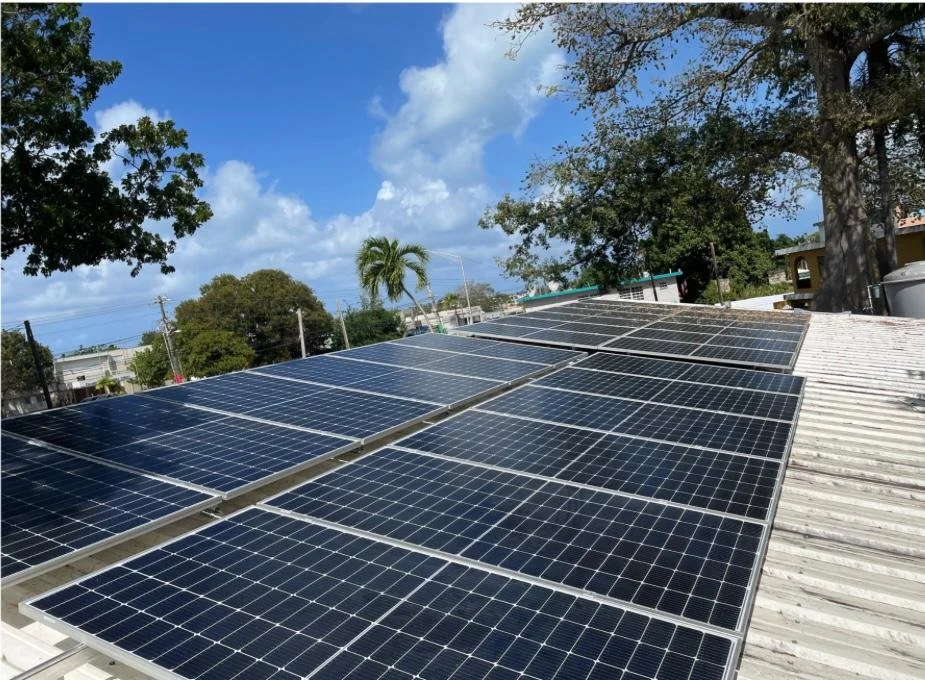
Solar panels on The Comité Pro desarrollo de Villa Cañona's community center roof. Image: Climable
by Elena González
In September 2022, Puerto Ricans faced yet another catastrophic hurricane. Hurricane Fiona brought flooding, mudslides, and power outages to the whole island. The island and its communities hadn’t even finished recovering from Hurricanes Irma and María that hit almost exactly five years ago. And yet, most of the news channels were too busy covering other, less consequential news.
TWO WEEKS after Fiona passed through, over 250,000 customers of the island’s electric utility, LUMA, were still suffering from power outages. This extended outage led to food and medicine spoilage and scarcity, disrupted medical services, displacement, and more.
Puerto Ricans are frustrated and angry, and with good reason. When LUMA took over in mid-2021, it promised to improve the reliability and resilience of Puerto Rico’s grid. Since then, not only has it not delivered on its promise, but things have gotten worse. Rising utility bills, more frequent and longer blackouts, and bigger bonus checks for LUMA’s executives have been the outcomes of the multimillion-dollar contract the government gave to this private company.
One of their most famous residents, Benito Antonio Martínez Ocasio, also known as Bad Bunny, released the video to one of his recent album’s songs, El Apagón (The Blackout) days before Hurricane Fiona hit the island. The video is 22 minutes long and contains the song’s video (disclaimer: some adult content, so viewers beware!), but most of it consists of a documentary explaining why the island is in the situation it is in. He also used his platform to facilitate and direct his fans’ support to great community organizations. Bad Bunny reflects a growing attitude in Puerto Rico, the duality of empowerment and continued colonial oppression.
Puerto Ricans have demonstrated time and time again how “unity makes strength.” They have shown great resilience despite the lack of support from their government. Slowly but surely, communities around the island are beginning to develop climate-resilient, clean energy microgrids. These projects help communities maintain a continuous supply of electricity while providing a safe place to shelter during emergencies. The buildings in the microgrid are also key to supporting recovery after a disaster.
The Climable team is proud to be one of the many organizations providing technical and financial support that is changing the energy landscape in Puerto Rico. In February of 2023, our project in the Villa Cañona community of Loíza was completed! Solar panels and batteries were installed at the neighborhood’s community center, making sure it won’t lose power during emergencies. In previous emergencies, the nonprofit that manages the space, Comité Pro-Desarrollo de Villa Cañona, did a phenomenal job acting as a distribution and command center, so it has already demonstrated its importance in the community.
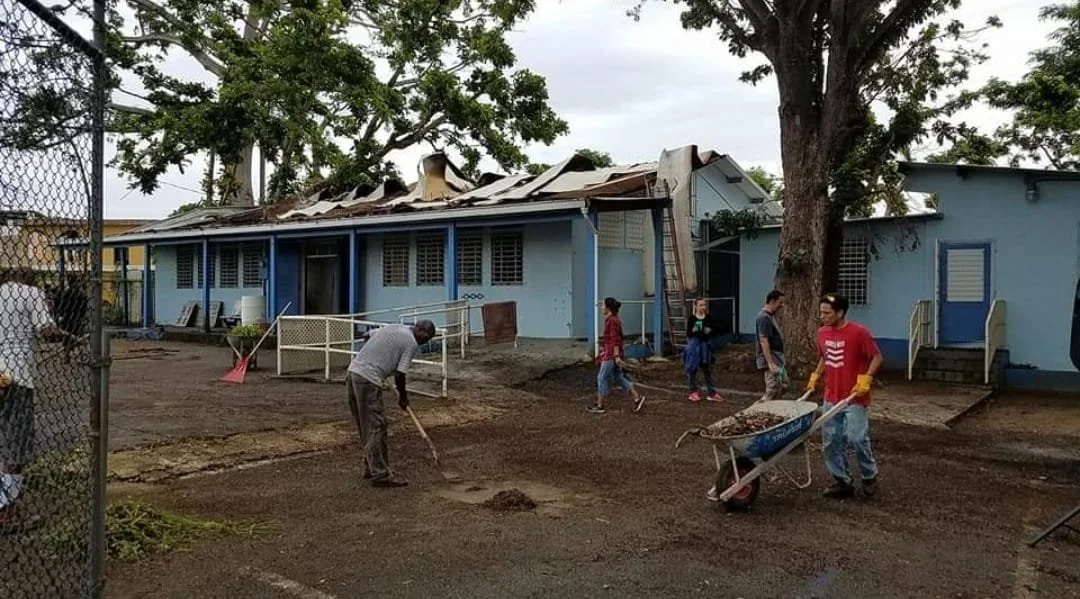
The Comité Pro desarrollo de Villa Cañona's community center was severely damaged after Hurricane Fiona. Image from the Center's Facebook group
Despite our win and the efforts of other similar projects and organizations, Puerto Ricans are tired. They don’t want to have to be strong and resilient all the time. They deserve the financial and political help they have been promised by so many from so many levels of government. Puerto Ricans have the grit and drive to bring prosperity, development, and climate adaptation to their island. What they need from their local and federal government is financial support, and for the government to get out of the community’s way. In the meantime, if you’re interested, you can help one of these organizations that Bad Bunny recommends. They’re already doing great work on the ground.
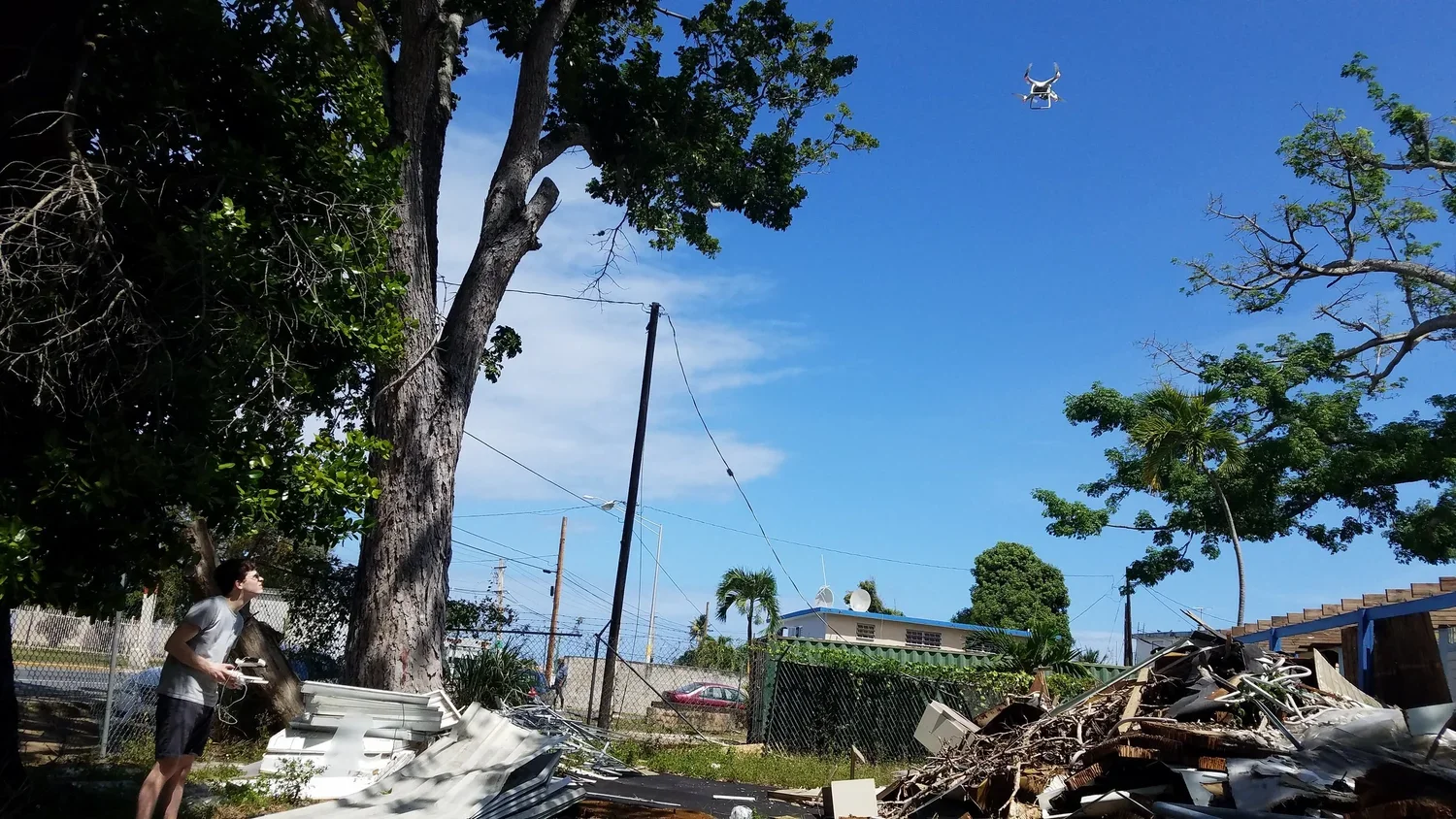
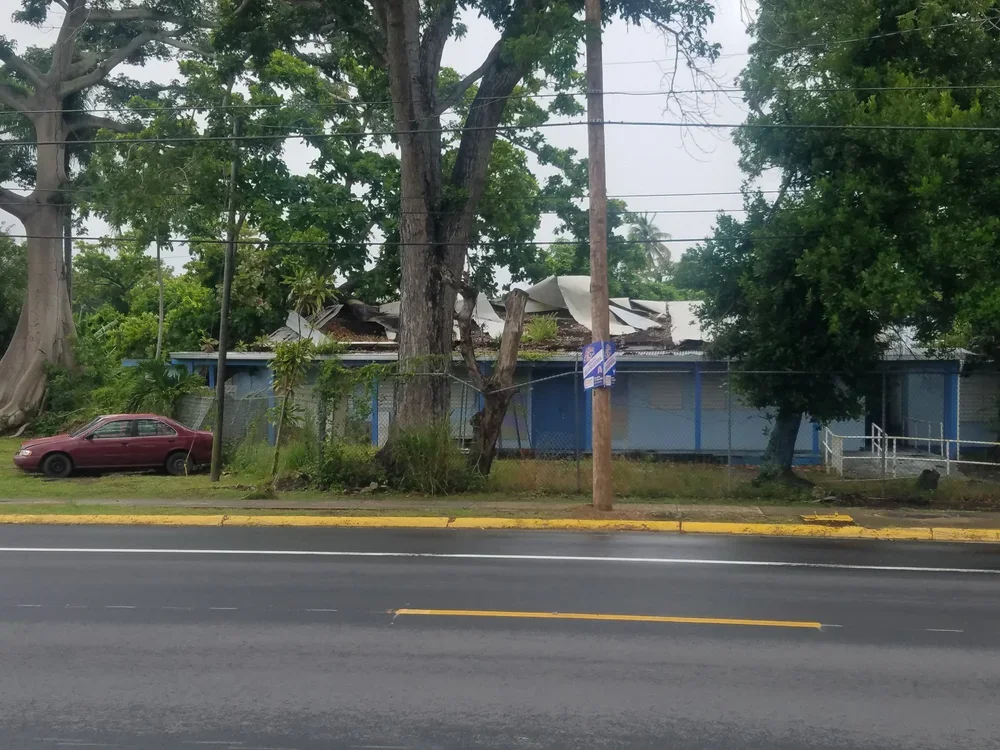
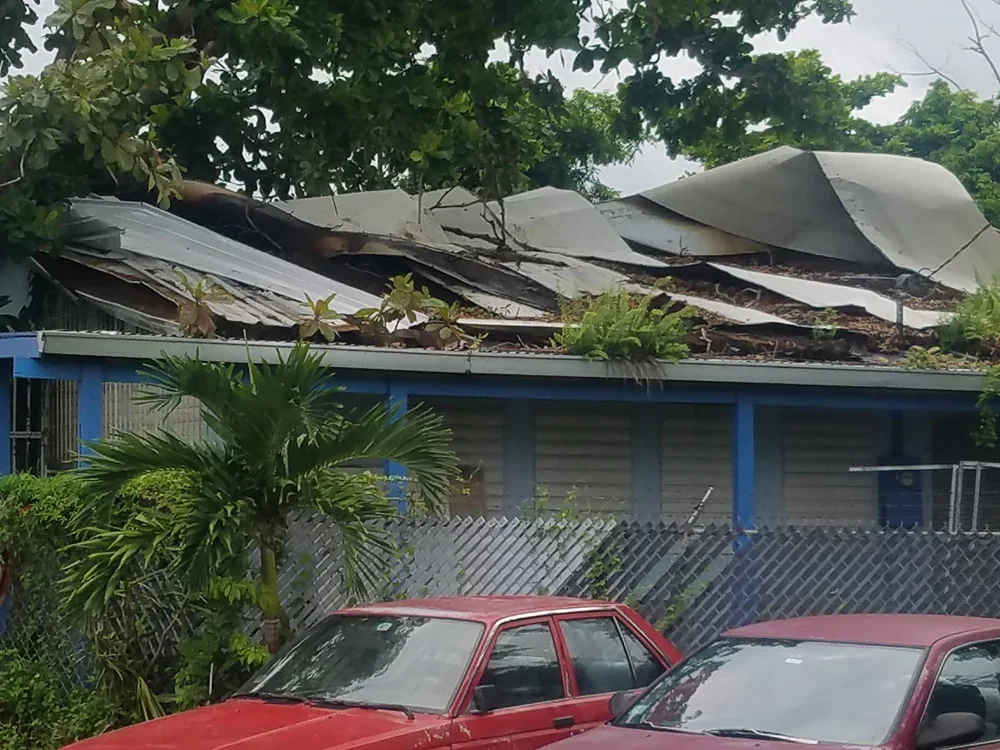
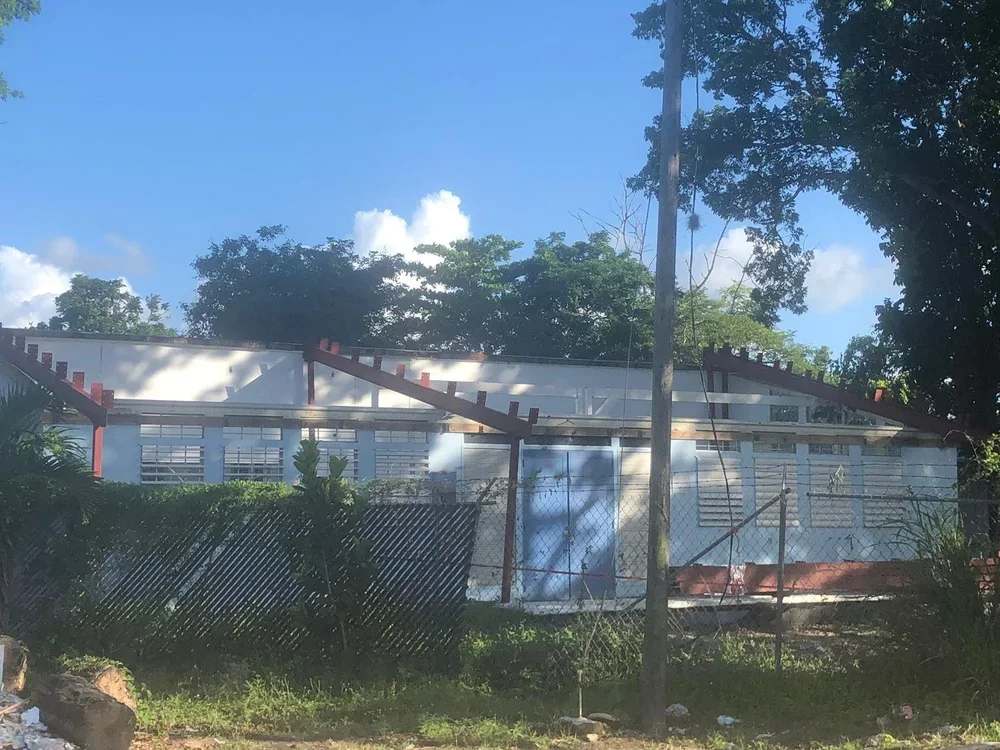
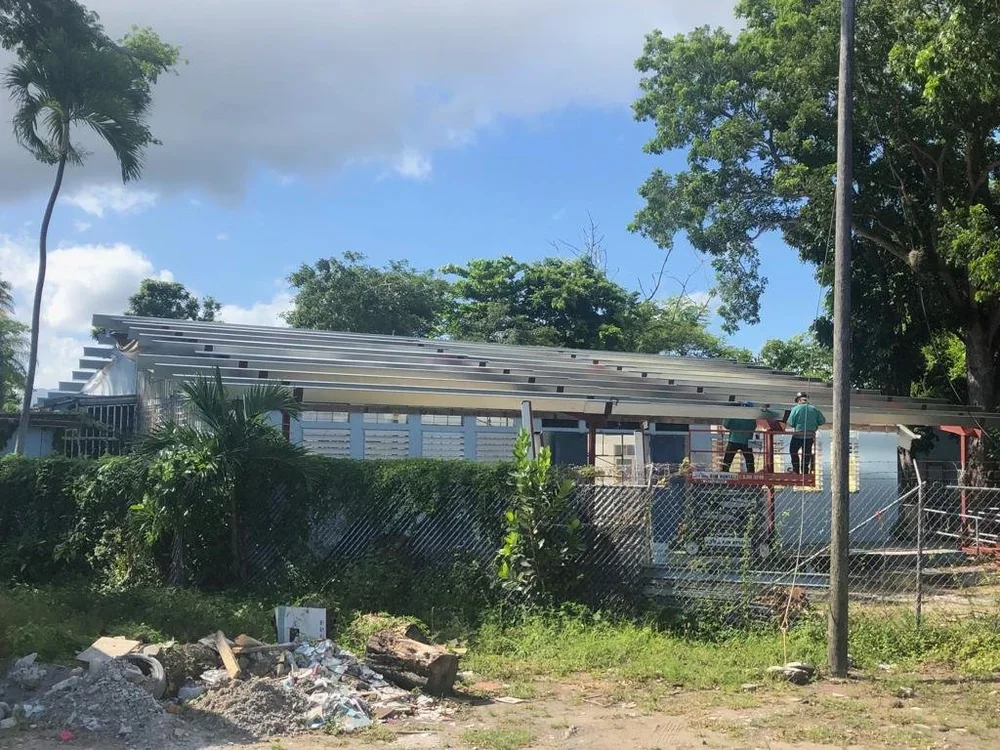
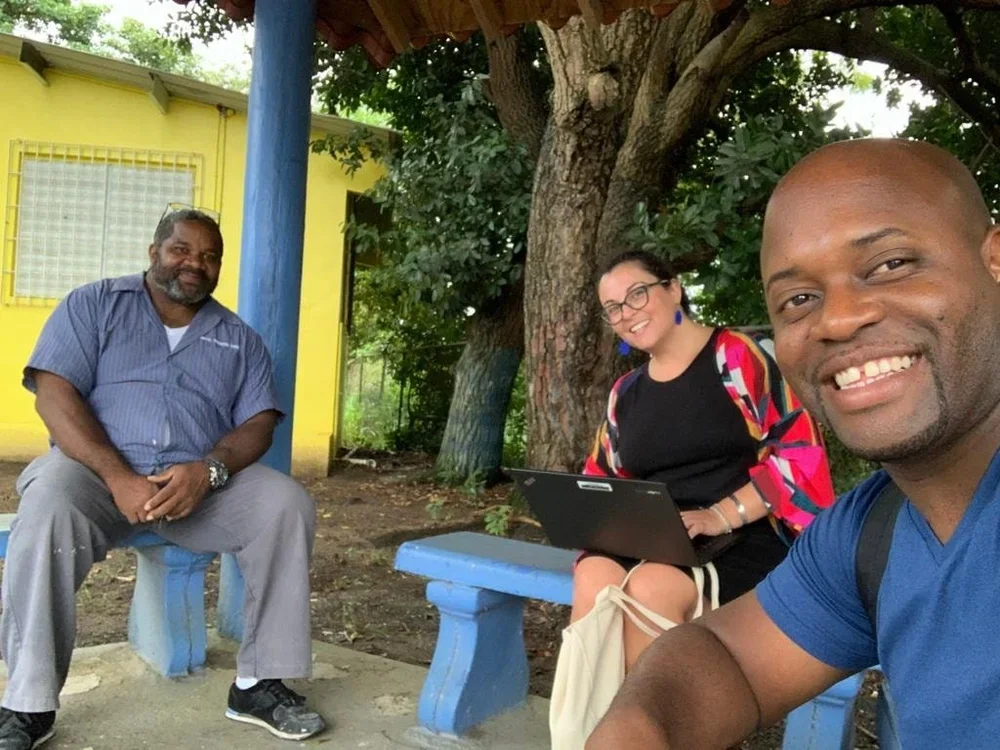
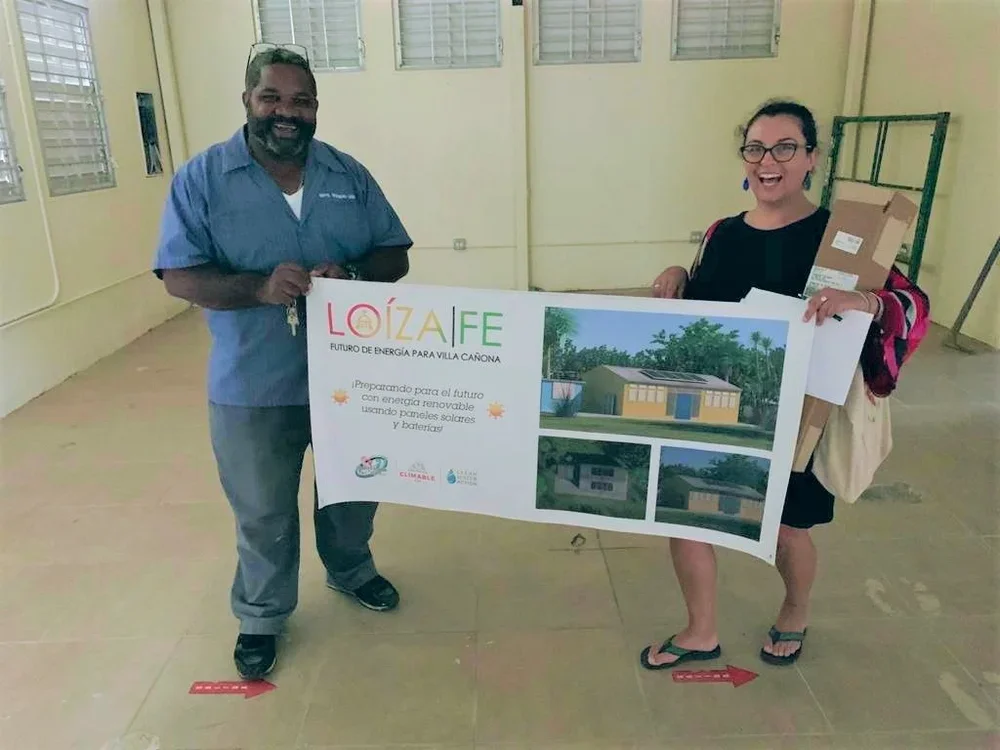
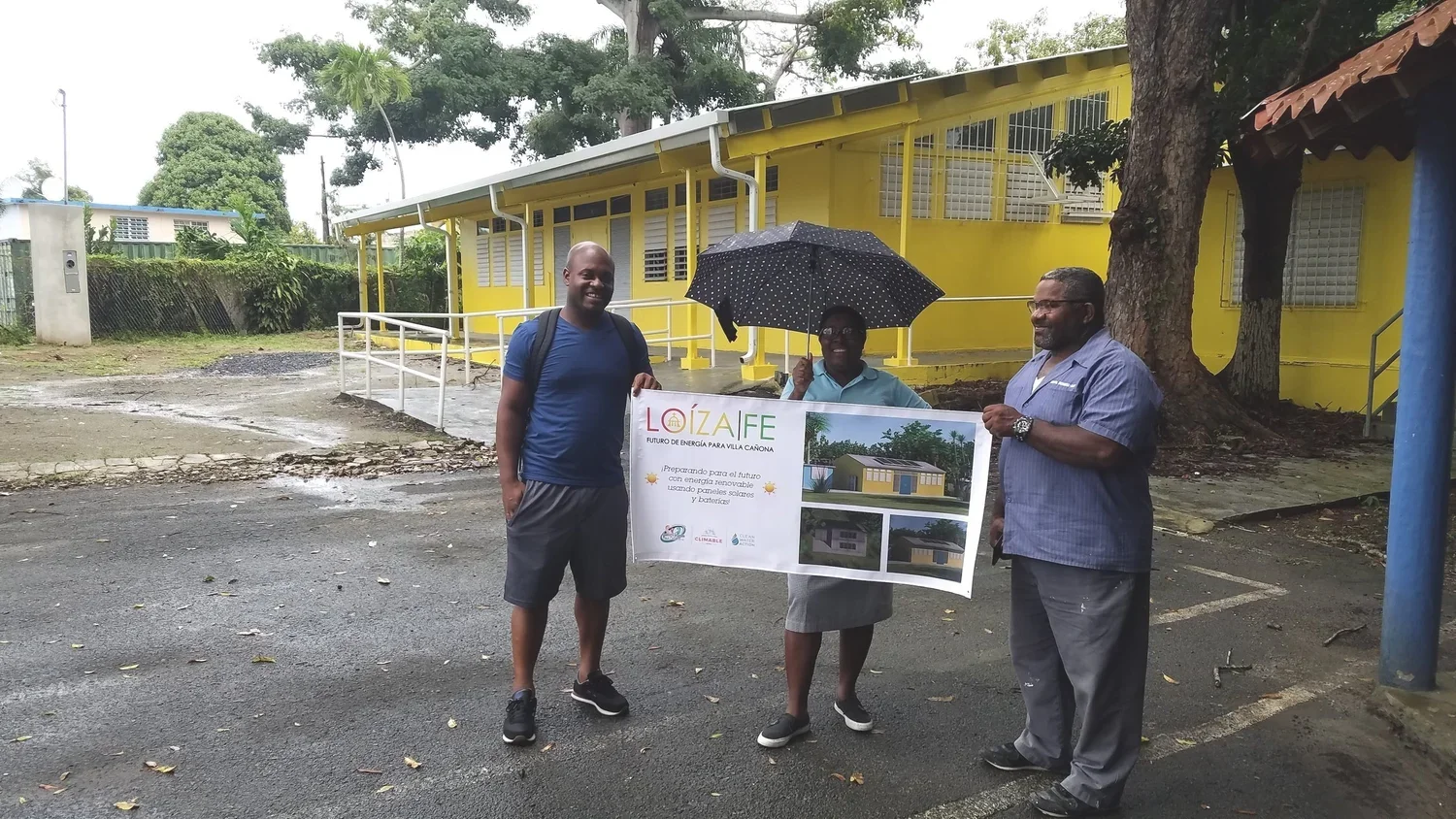
Images from the community center in Villa Cañona, a neighborhood in Loíza, Puerto Rico. Images show the center in 2018 after Hurricanes Irma and María had damaged the roof, photos of our visit in 2019 when site clean up had begun, and images from 2023 with the new batteries and solar panels installed. Images: Climable.