
Reducing Our Recycling
by Eden Floyd
The importance of recycling has been instilled in me since I was a kid. What it is, how to do it, and all its benefits. Recycling can fix our problems of growing landfills. Recycling can make the world green. Recycling, to me at least, has been portrayed as a cure-all for many of our environmental issues. But that is not even close to the whole story!
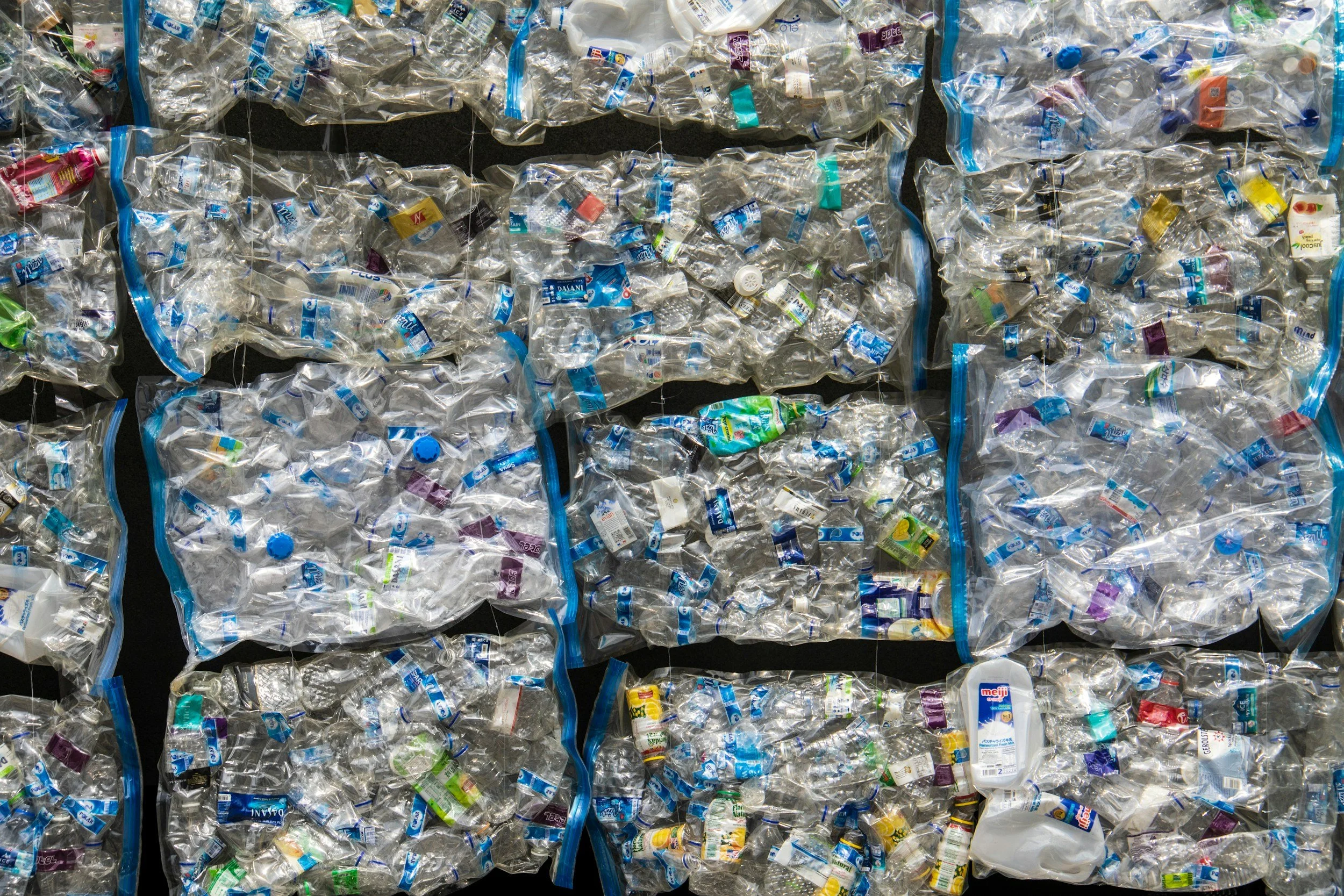
The 1920s brought on the rise of plastic. This ‘miracle’ discovery allowed society to make a wide variety of stuff, from water bottles to TVs to bags to furniture, all derived from the fossil fuel known as crude oil. Because of its affordability, durability, and versatility, it is no wonder that plastic became an integral part of society.
However, during the 1980s, there was also a growing concern for the environment, and people were starting to criticize plastics for their environmental impact. This made industries worry about regulations or a full-on ban, as it could severely hurt their revenues or even put them out of business. Their solution was recycling.
As detailed by this CBC article, the plastic industry leapt into action, and soon after, they launched a large campaign on recycling. These industries spent millions convincing us that recycling could save the environment. We could continue to consume as much plastic as our heart’s desired- just as long as we recycle. The result? Their product could be sold unchecked since "making recycling work was a way to keep their products in the marketplace," according to Ronald Liesemer, who worked for a recycling company sponsored by the plastic industry. Yet, behind closed doors, these same executives who paid for recycling ads were never convinced that recycling could actually solve the growing plastic problem.
Today, plastics are still everywhere, infiltrating their way into every place on Earth. Less than 10% of our plastic waste has been recycled. Instead, plastics are at the bottom of the ocean, in our salt, and in our bloodstream. Furthermore, a lot of our recycling is shipped to Asia and Africa, to be ‘processed.’ However, there are not many companies making sure that this waste is being properly recycled. Now, countries like Indonesia are overburdened by plastic waste, as oftentimes valuable material is picked out while the rest is burned, releasing toxic chemicals into the local environment. And the problem does not seem like it is going away, as by 2050, plastic production is on track to cause around half of the demand for oil, and is estimated to triple in production by 2050. It is clear that recycling has failed as a way to curb plastic pollution and will not be able to address this growing issue.
However, this is not to say it is too late or that we are doomed! There is still much we can do to fight plastic waste. It is time to focus on the “reduce and reuse” part of reduce, reuse, and recycle. This phrase goes in the order of importance, as our goal should be to reduce our consumption, especially of plastic material, as much as possible, to stop it from ever entering our economy and environment. However, plastics have now become very important in our day-to-day lives and are not always avoidable. This is where “reuse” comes in - extending its life cycle as much as possible to keep it from becoming waste. There are many articles out there to get some ideas on what you can do with reusing plastic materials, like this one here! Recycling should have never become a first effort above these two, so keep that in mind before you purchase items that are made of plastic!